
When you think of sleep apnea treatment, the first thing that probably comes to mind is a CPAP machine. That mask and hose. The humming sound all night long. For many people, CPAP therapy works. But for just as many, it doesn’t. They find the mask uncomfortable. They rip it off in their sleep. Or they simply stop using it because it feels more like a punishment than a solution.
Your dentist could help. At Metropolitan Center for Complete Dentistry in East Hanover, we look at the whole picture of your health, not just your teeth. And for patients with mild to moderate obstructive sleep apnea, a custom-made oral appliance can be a life-changing alternative.
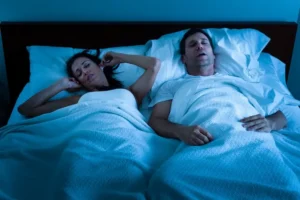
What Exactly Is Sleep Apnea?
Obstructive sleep apnea happens when your airway collapses or becomes blocked while you sleep. Your breathing stops and starts throughout the night, sometimes dozens or even hundreds of times. You might not remember waking up, but your body certainly does.
The most common signs include:
- Loud, persistent snoring
- Waking up with a dry mouth or sore throat
- Morning headaches
- Daytime sleepiness or brain fog
- Irritability or mood changes
- Waking up gasping or choking
If any of that sounds familiar, you’re not alone. Millions of adults have sleep apnea, and many of them don’t even know it.
The Problem With CPAP
CPAP (continuous positive airway pressure) is the gold standard treatment for moderate to severe sleep apnea. It works by pushing pressurized air through a mask to keep your airway open.
But it’s not easy for everyone. Studies show that up to half of CPAP users stop using it within the first year. Common complaints include:
- Feeling claustrophobic with the mask on
- Skin irritation or pressure sores
- Difficulty falling asleep with the noise and airflow
- Dry nose, runny nose, or sinus problems
- The hassle of cleaning and maintaining equipment
If CPAP isn’t working for you, that doesn’t mean you have to give up on treatment. It means you need another option.
How a Dentist Can Help
Dentists who have advanced training in sleep medicine, like Dr. Raj Upadya, could treat sleep apnea using an oral appliance. This is a custom-made device that looks a bit like a sports mouthguard or an orthodontic retainer.
You wear it in your mouth while you sleep. It gently holds your jaw forward just enough to keep your airway open. No mask. No hose. And no machine. For the right patient, an oral appliance can be just as effective as CPAP, and much easier to stick with.
What to Expect
Getting an oral appliance starts with a conversation. We’ll review your symptoms, discuss any sleep studies you’ve had, and determine whether an appliance is a good fit for your situation.
If it makes sense for you, we’ll take digital impressions of your teeth and create a custom appliance that fits perfectly. You’ll wear it for a few weeks, and we’ll follow up to make sure it’s working and comfortable.
It’s simple, non-invasive, and could help you finally get the restful sleep you’ve been missing.
Why This Matters
Untreated sleep apnea isn’t just about feeling tired. Over time, it puts serious strain on your heart and brain. It’s linked to high blood pressure, heart disease, stroke, and memory problems.
But treatment works. And for many people, the right treatment is smaller and simpler than they ever imagined.
Let’s Talk About Your Sleep
If you snore loudly, wake up exhausted, or just can’t seem to feel rested no matter how many hours you’re in bed, don’t ignore it. Your health, and your quality of life, is worth looking into.
We welcome patients from East Hanover, Parsippany, Livingston, Morristown, and nearby communities. Give us a call at (973) 287-3153 or request an appointment online. We’ll help you get the answers you’ve been looking for.