
Dr. Raj Upadya offers cosmetic dental bonding as a conservative treatment for minor cosmetic and functional issues. We can complete teeth bonding in a single visit to our Summit, NJ, dentist office. Dr. Upadya often uses this treatment because it is an economical, conservative option. Dental bonding is one of the cosmetic dentistry treatments we provide to the public in East Hanover and Summit, New Jersey.
This inexpensive procedure does not remove any of the tooth’s natural structure, as is required for porcelain veneers or dental crowns.
What Can Bonding Treat?
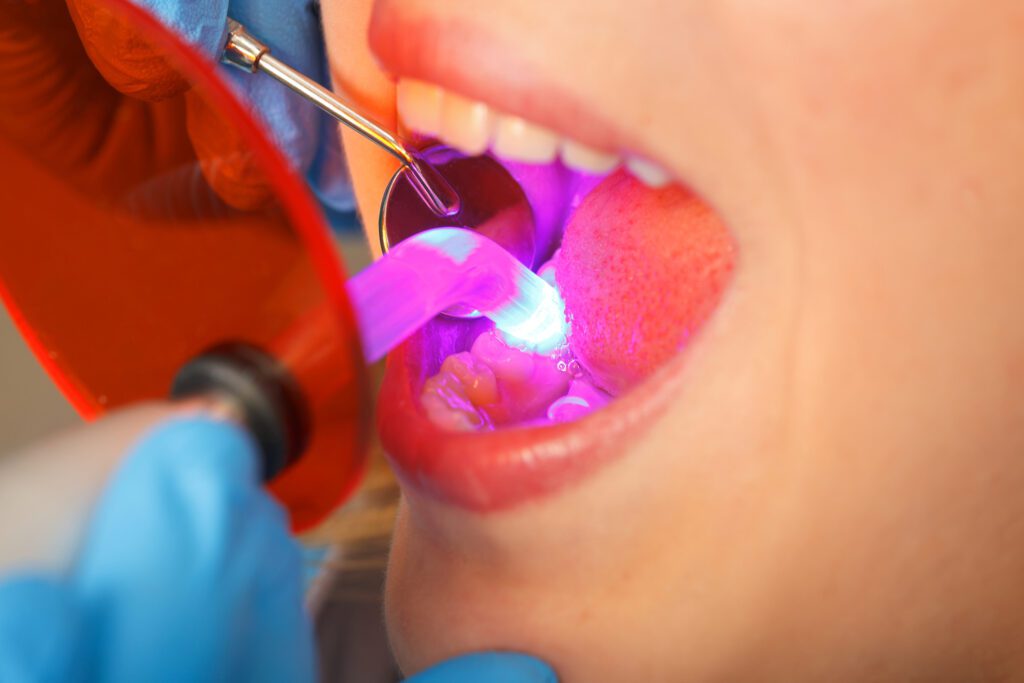
A tooth bonding treatment, or dental bonding, uses a tooth-colored biocompatible composite resin that is applied directly to the tooth and sculpted into the proper shape and form. Then a special light cures the material in the tooth. Teeth bonding can provide an economical cosmetic or restorative treatment option for a variety of dental health concerns.
Composite dental bonding is used to treat a number of issues, including:
- Damaged, chipped, or cracked teeth
- Gaps between teeth
- Discolored tooth structure
- Misshapen teeth
- Tooth cavity
What are the Benefits of Teeth Bonding in Summit, NJ?
Teeth bonding is a quick and affordable way to improve your smile. During the bonding process, your dentist applies a tooth-colored resin to your teeth to fix cosmetic issues like chips, cracks, gaps, or discoloration. Here are some of the benefits of teeth bonding:
- Improves Your Smile: Bonding can make your teeth look more even and fix small imperfections, giving you a natural and polished smile.
- Quick and Painless: Unlike other cosmetic treatments, teeth bonding usually only takes one visit to complete. The process is painless, and most of the time, you won’t even need anesthesia.
- Affordable Option: Teeth bonding is typically less expensive than other cosmetic treatments like veneers or crowns, making it a great choice if you want to enhance your smile without breaking the bank.
- Protects Your Teeth: Bonding can also cover exposed tooth roots or repair damaged enamel, adding an extra layer of protection.
- Boosts Confidence: A brighter and more even smile can make you feel confident when talking, laughing, and taking pictures.
Tooth Bonding: What to Expect
Teeth bonding is minimally invasive and can usually be completed in a single visit. Dr. Upadya may use dental bonding along with other cosmetic and restorative dentistry procedures as part of a total smile makeover.
Preparation
At your appointment in our Summit, NJ dental office, Dr. Upadya will begin by preparing the tooth (or teeth) that will be treated. He removes a minimal amount of tooth surface structure. Then he applies conditioning liquid so the bonding material adheres to the tooth.
Application
Then, Dr. Upadya will directly apply the tooth-colored resin to the tooth. He makes sure the shade of your bonding material blends in with the rest of your natural teeth. Our dentist will sculpt the material into the desired shape and size by hand.
Curing and Polishing
Once you are happy with the appearance of your teeth, Dr. Upadya uses a UV light to harden the material. After the composite has cured, he will trim, shape, and polish it to match the sheen of the rest of the tooth surface.
How Do You Care for Bonded Teeth?
Caring for bonded teeth is simple and a lot like taking care of your natural teeth. Good oral hygiene helps keep your bonded teeth strong and your smile looking great. Here’s how to care for bonded teeth:
Brush and Floss Every Day
You should brush your teeth at least twice a day with a soft-bristled toothbrush and fluoride toothpaste. Brushing helps remove plaque and keeps your teeth clean. Make sure to floss once a day to get rid of food particles and plaque between your teeth and around the bonded areas.
Avoid Biting Hard Foods
Hard foods like ice, hard candy, and nuts can chip or crack the bonding material. If you want to enjoy these foods, try cutting them into smaller pieces. You can also avoid them to keep your bonded teeth safe.
Watch Out for Staining Foods and Drinks
The bonding material can stain over time. Try to limit dark-colored foods and drinks like coffee, tea, red wine, and berries. If you do have them, rinse your mouth with water afterward. You can also brush your teeth to help prevent stains.
Don’t Smoke
Smoking and using tobacco products can cause yellowing and stains on your bonded teeth. Plus, smoking can harm your overall oral health. Quitting is a win-win for your smile and well-being.
Use a Mouthguard if Needed
If you play sports or grind your teeth at night, wearing a mouthguard can protect your bonded teeth from damage. Your dentist can make a custom mouthguard to keep your teeth safe.
Visit Our Dentist Regularly
Regular dental checkups keep your bonded teeth in good shape. During your visits, our dentist can check the bonding and polish it to keep it looking fresh. He will also ensure there are no issues with your teeth and gums.
FAQs About Teeth Bonding in Summit, NJ
Read answers to common questions patients have about dental bonding in our office.
How long does dental bonding last?
Bonding typically lasts three to ten years. Its lifespan depends on your oral habits, your diet, and how well you care for your teeth. Avoiding hard foods, limiting staining beverages, and keeping up with regular dental visits will help your bonding last as long as possible.
Will my bonded teeth look natural?
Yes. Dr. Upadya carefully matches the shade of the bonding material to your natural teeth. He sculpts and polishes the bonding so it blends seamlessly with your enamel. Most people won’t be able to tell which teeth have been bonded.
Can bonding fix crooked teeth?
Bonding can improve the appearance of mildly uneven or misshapen teeth, but it’s not a substitute for orthodontics. If your teeth are significantly misaligned, Dr. Upadya may recommend Invisalign or another orthodontic treatment to straighten them first.
Can bonding close gaps between my teeth?
Yes. Bonding is often used to close small gaps between teeth. For larger gaps or multiple gaps, orthodontic treatment may be a better option. Dr. Upadya will evaluate your smile and recommend the best approach.
Can bonding be repaired if it chips?
Yes. If your bonding chips or wears down, we can usually repair it by adding more composite material. In some cases, we may need to replace the bonding entirely. Contact our office if you notice any damage.
What are alternatives to bonding?
If your tooth has more significant issues or damage, Dr. Upadya may recommend a more permanent treatment. We offer porcelain veneers and dental crowns to reinforce a tooth and restore function. These options will cost more and involve at least two visits to complete.
Schedule a Tooth Bonding Consultation Today
Do you have a small chip in your tooth or a stained tooth but don’t want majoir dental treatment? Learn more about composite teeth bonding in Summit NJ, East Hanover, and Florham Park area. Contact the Metropolitan Center for Complete Dentistry for a consultation with Dr. Raj Upadya. Call us at 973-241-5169 or request a consultation online.